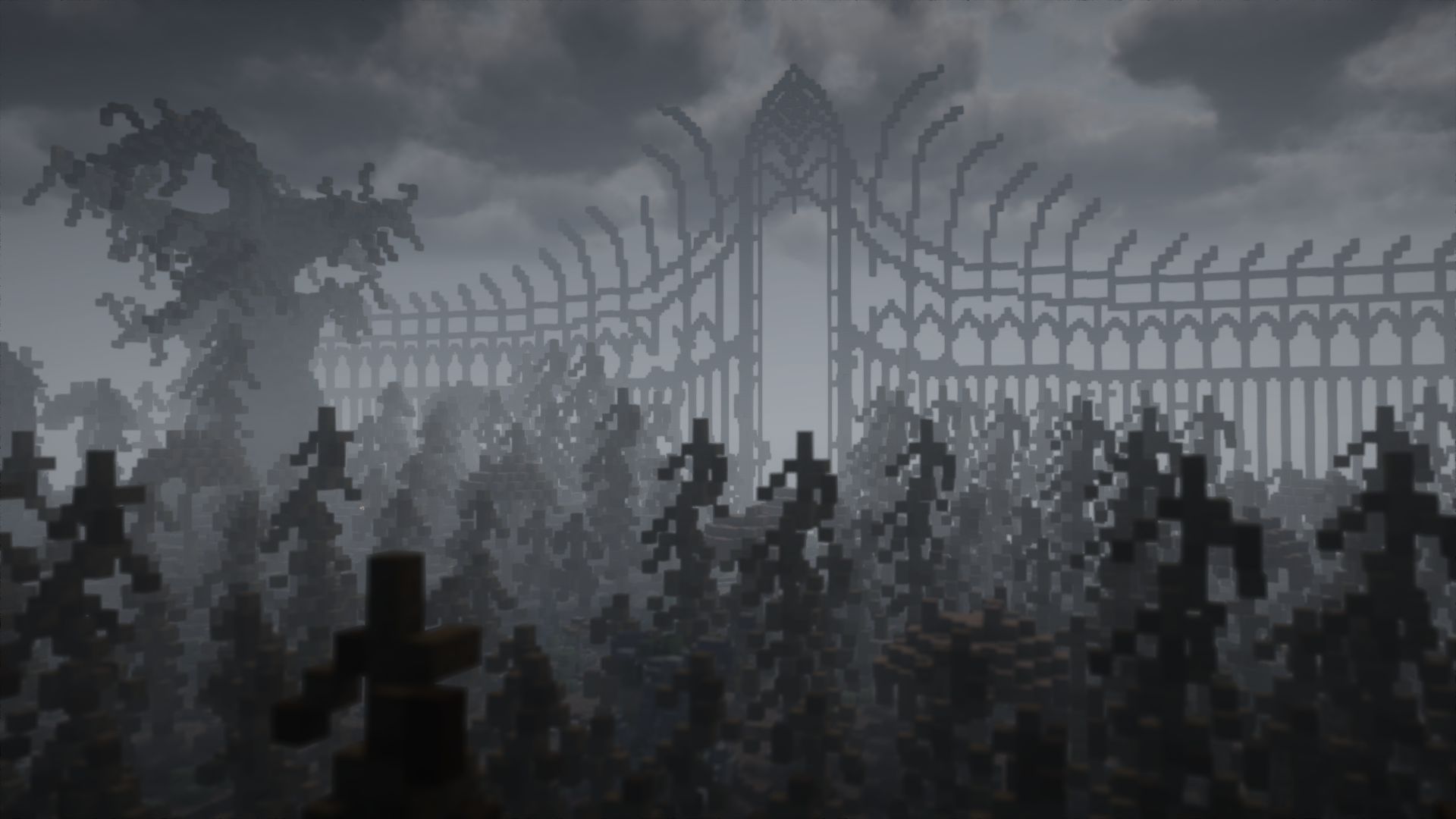
Horror in Minecraft is a strange thing. The game itself is not scary by default, but with the right atmosphere, lighting, and sound, it can become genuinely unsettling. That is where horror-focused shaders come in. They do not try to make the world prettier or more realistic. Instead, they change how the game feels. Spooklementary is one of those shaders. It is not meant for everyday survival or casual building. It is designed to make you uncomfortable, to make darkness feel dangerous again, and to turn familiar biomes into places you hesitate to explore.
Spooklementary stands out because it is built on a foundation many players already trust, while pushing it in a completely different direction. It takes a well-known visual style and twists it into something darker and more atmospheric. If you enjoy horror mods, adventure maps, or just want to experience Minecraft in a more intense way, this shader is worth a closer look.
What Spooklementary Is
Spooklementary is a horror-themed shader pack based on the Complementary shader framework. Instead of creating everything from scratch, it reworks and reimagines Complementary’s visuals to focus on darkness, tension, and unease. The goal is not realism, but mood. Everything is tuned to make the world feel hostile and unpredictable, especially at night.
The shader introduces darker lighting, harsher shadows, and a more dramatic sky. It is fully compatible with modern shader loaders like Iris and OptiFine, making it easy to set up if you are already familiar with shaders. Spooklementary also keeps a high level of customization, allowing players to adjust how intense the horror elements feel. You can push it into full nightmare territory or dial things back slightly if you still want the game to be playable without constant stress.
Visual Style and Atmosphere
The strongest part of Spooklementary is its atmosphere. Daytime already feels heavier than normal Minecraft, but night is where the shader truly shows its intent. Darkness is deep and unforgiving. Without proper light sources, you genuinely struggle to see, which makes exploration risky again. Torches stop being decorative and start feeling essential.
One of the most recognizable features is the red moon that appears at night. It instantly changes the tone of the world, making even peaceful areas feel ominous. Fog is used carefully, not everywhere, but enough to limit visibility and create that sense that something might be just out of sight. Shadows are strong and sharp, often hiding mobs until they are uncomfortably close.
There are also subtle visual tricks that add to the fear. Distant glowing eyes can sometimes appear in the darkness, only to vanish when you move closer. These moments do not rely on jump scares. They work because they play with your expectations and make you question what you are seeing. Clouds can be switched to a more stylized, blocky look, which adds an uncanny feeling rather than realism.
Performance and System Requirements
Spooklementary is not a lightweight shader. It inherits much of its performance profile from Complementary, which means it sits in the mid to high range in terms of GPU usage. On a modern dedicated GPU, it runs smoothly with the right settings. On lower-end systems or integrated graphics, it can be challenging.
That said, the shader offers a wide range of options. You can disable certain effects, lower shadow quality, or reduce render distance to improve performance. The horror experience still works even with reduced settings, because most of the fear comes from lighting and contrast rather than heavy effects. A stable 50 to 60 FPS is achievable on mid-range hardware if you are willing to tweak things a bit.
For best results, a dedicated GPU is recommended. Using Iris with Sodium can also help squeeze out extra performance compared to older setups.
Who This Shader Is For
Spooklementary is not for everyone. If you enjoy bright visuals, cozy vibes, or cinematic beauty, this shader will probably feel oppressive. It is also not ideal for large building projects where visibility and color accuracy matter.
This shader is best for players who enjoy horror mods, scary adventure maps, or custom worlds designed around tension and storytelling. It is perfect for single-player experiences where immersion matters more than comfort. Content creators making horror-themed videos or thumbnails will also appreciate how easily it sets a dark mood without extra editing.
If you like Minecraft feeling safe and relaxing, Spooklementary might be too intense. But if you want the game to feel dangerous again, this is exactly what it is made for.
Screenshots Section
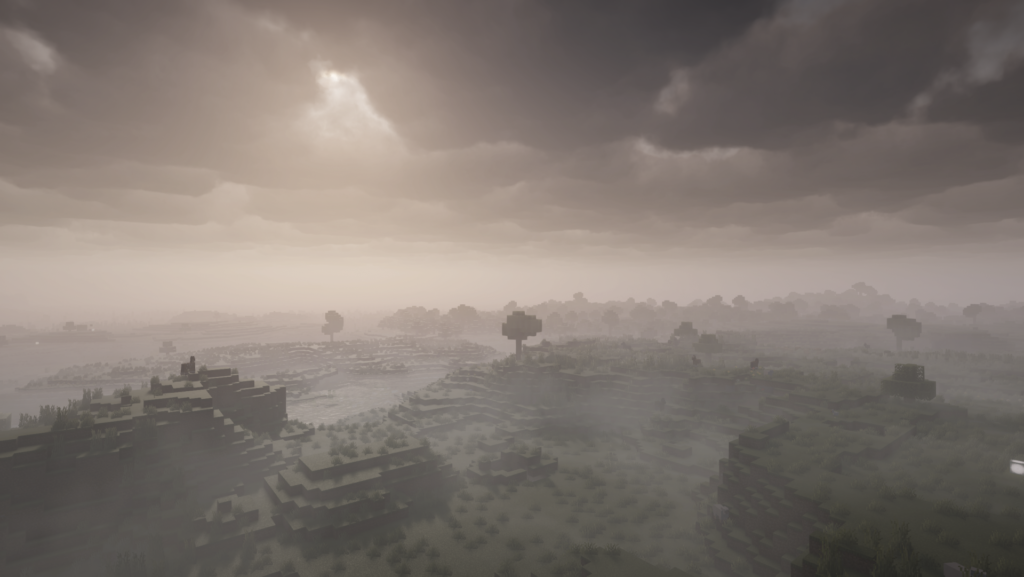
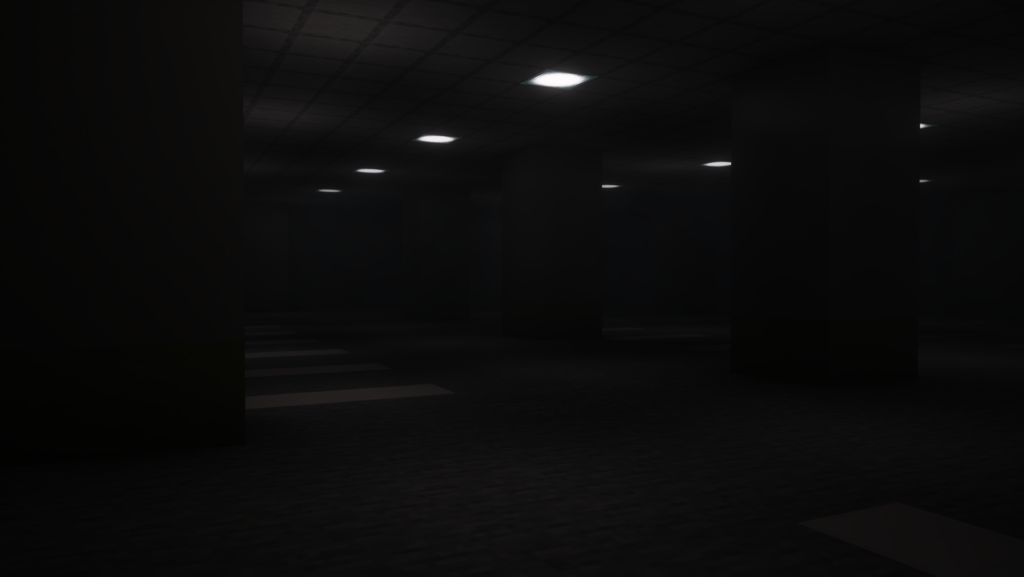

Screenshots of Spooklementary should focus on mood rather than detail. Nighttime landscapes under the red moon are essential, especially forests or open plains with minimal lighting. Caves lit by a single torch show how deep and heavy the shadows feel. Foggy environments with limited visibility help capture the tension the shader creates.
Shots where glowing eyes appear in the distance work especially well, as they instantly communicate the horror theme. Stormy skies, dark villages, and abandoned-looking structures also fit the shader’s identity perfectly.
My Personal Take on Spooklementary
Spooklementary feels like a reminder of why I fell in love with shaders in the first place. Not because they make Minecraft look realistic, but because they can completely change how the game feels. Using this shader makes me slow down. I think twice before going out at night. I actually prepare before exploring.
Compared to other horror shaders, Spooklementary feels more controlled and intentional. It does not rely on extreme filters or visual noise. Instead, it uses darkness, color, and silence to do the work. That makes it more immersive and less tiring to look at.
I would not use this shader for normal survival or long building sessions. It is too heavy emotionally for that. But for horror modpacks, special worlds, or short intense play sessions, it fits perfectly. Some players might avoid it because of performance or because it makes the game stressful. That is fair. Spooklementary is not trying to please everyone. It knows exactly what it wants to be, and it does that very well.
Download and Credits
You can download Spooklementary from its official Modrinth page:
All credit goes to the original creator of Spooklementary and the developers of Complementary, which this shader is based on. Their work makes this unique horror-focused experience possible.
Disclaimer
We did not create Spooklementary. This article is for informational and educational purposes only. All rights, assets, and development credit belong entirely to the original shader creator.